
by Don McKay (as seen in Martial Arts Magazine Australia, Issue 10)
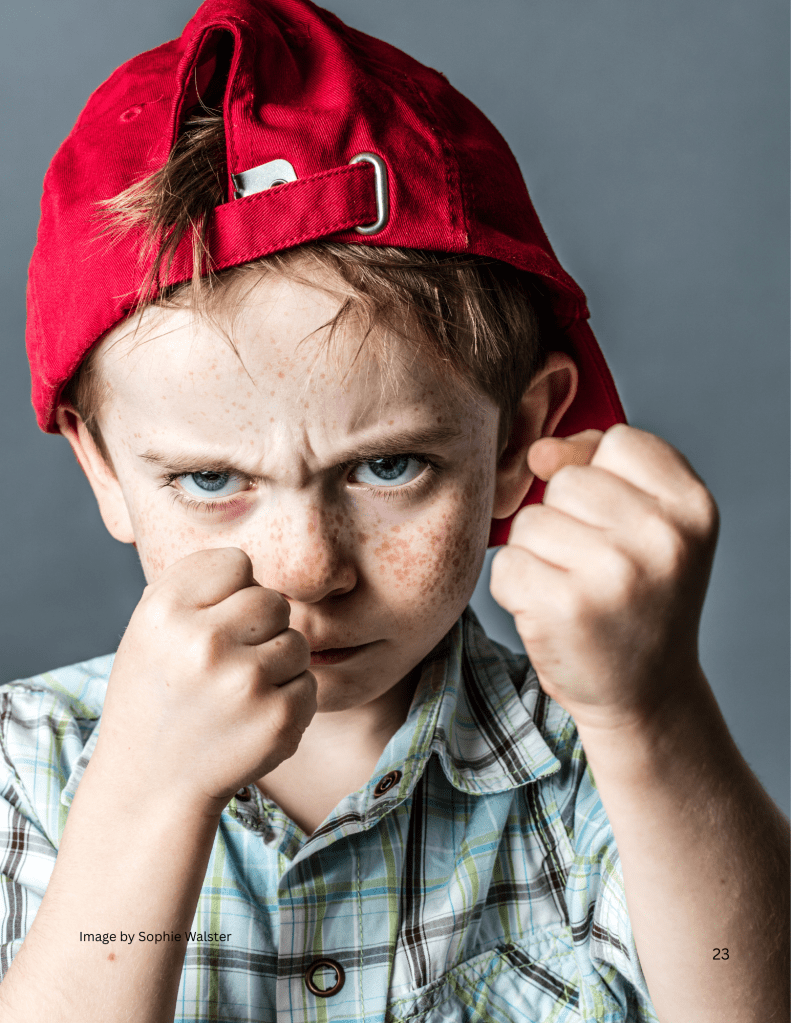
As a karate instructor who has taught children for over twenty years, I’ve witnessed countless transformations. Shy children discovering their voice. Anxious children finding confidence. Aggressive children learning self-control. But perhaps the most profound transformations I’ve observed involve children affected by bullying. Both those who have been targeted and those who might have become bullies themselves.
Bullying remains one of the most pressing issues facing Australian children today. Statistics suggest that approximately one in four Australian students experience bullying, with consequences ranging from poor academic performance to anxiety, depression, and in tragic cases, self-harm. Parents desperately seek solutions, and many turn to martial arts hoping to help their children. However, there’s often a misunderstanding about what martial arts offers children facing bullying situations.
Let’s explore how traditional martial arts training—particularly styles like karate that emphasise character development alongside physical technique—addresses bullying from multiple angles. It’s not simply about teaching children to defend themselves physically (though that’s one component). More importantly, it’s about building the internal qualities that make children less likely to be targeted, more capable of responding appropriately when they are, and crucially, less likely to become bullies themselves.
Before we talk about how martial arts helps, we must understand what we’re addressing. Bullying isn’t a simple childhood conflict. It’s characterised by an imbalance of power, repetitive harmful behavior, and intent to cause distress. It manifests as physical aggression, verbal abuse, social exclusion, or increasingly, cyberbullying.
Children who are bullied often share certain characteristics: they may appear vulnerable, anxious, or physically weak; they might lack confidence or struggle to assert boundaries; they may be perceived as “different” in some way. Importantly, being bullied is never the child’s fault, but understanding these patterns helps us recognise how martial arts training addresses underlying vulnerabilities.
Children who bully often have their own struggles. Research indicates many lack empathy, have poor emotional regulation, may have experienced aggression themselves, or lack positive role models for respectful behavior. They may feel powerless in other areas of life and attempt to gain power through dominating others.
Martial arts addresses both sides of this equation. Building resilience in potential targets whilst cultivating respect and empathy in all students, including those who might otherwise develop bullying tendencies.
The most immediate and visible change in children who begin martial arts training is the growth of confidence. This isn’t the false bravado that might lead to aggressive behavior; it’s a quiet, genuine self-assurance that comes from competence and self-knowledge.
Mastery builds confidence: When a child struggles to execute a proper front kick for weeks, then suddenly gets it right, something shifts internally. They’ve proven to themselves that persistence pays off, that they can improve, that they’re capable. This achievement is entirely their own—no one can do a kata for them or execute their techniques. The confidence that develops from genuine accomplishment is unshakeable.
Physical capability matters: Let’s be honest—knowing you’re physically capable, that you could defend yourself if absolutely necessary, changes how you carry yourself. Children who train in martial arts develop better posture, stronger body language, and move with more certainty. Bullies instinctively seek out targets who appear vulnerable. A child who walks with confidence, makes eye contact, and occupies space with assurance is simply less likely to be selected as a target.
However, and this is crucial—we never teach children that physical response is the first, or even second, solution to bullying. Physical self-defence is the last resort, used only when in immediate physical danger and escape isn’t possible. The confidence martial arts builds is primarily about internal strength and self-respect, not fighting prowess.
Voice and boundary setting: In our dojo, we regularly practice the verbal components of self-defence—speaking firmly, saying “no” clearly, using assertive body language. Many children who are bullied struggle to assert boundaries. They may freeze, look down, or speak softly when confronted. Karate training, with its emphasis on the kiai (shout) and strong, direct communication, helps children find their voice.
I’ve had many parents tell me that their child’s changed demeanour alone: walking taller, speaking more confidently, making eye contact—led to bullying stopping without any physical confrontation whatsoever. Bullies rarely persist with targets who clearly won’t accept mistreatment.
Martial arts training develops heightened awareness that serves children in multiple ways.
Situational awareness: We teach students to be aware of their surroundings, to notice who’s around them, to identify potential problems before they escalate. This isn’t about paranoia; it’s about being present and observant. A child who’s paying attention can avoid many bullying situations entirely by choosing different routes, staying near adults or friends, or leaving situations that feel unsafe.
Reading body language: Through partner work and sparring practice, students become skilled at reading non-verbal cues. Children learn to recognise when someone is agitated, aggressive, or potentially threatening. This skill helps them navigate social situations more effectively and respond appropriately to warning signs.
De-escalation strategies: Traditional martial arts philosophies emphasise avoiding conflict whenever possible. We explicitly teach children that walking away from confrontation isn’t cowardice—it’s wisdom. We role-play scenarios where children practice:
- Using calm, non-confrontational language
- Removing themselves from situations before they escalate
- Seeking adult help appropriately
- Recognising when a situation requires immediate intervention from authorities
Physical awareness: Children who train in martial arts develop body awareness and control that translates to daily life. They’re less likely to accidentally invade others’ personal space, more aware of appropriate physical boundaries, and better able to recognise when their own boundaries are being violated.
The Respect Culture: The Heart of the Solution
Here’s where we reach the core of how martial arts addresses bullying from both sides. Traditional martial arts dojos are, fundamentally, communities built on respect.
In the dojo, respect isn’t just politeness. It’s a comprehensive approach to how we interact with others and ourselves.
Respect for instructors and seniors: Students bow to instructors, address them properly, and listen attentively. This isn’t about authoritarian control; it’s about acknowledging the knowledge and experience others offer us.
Respect for peers: Students of all abilities train together. The advanced student helps the beginner. The strong support the weak. The quick assist the slow. We explicitly teach that everyone’s journey is different, and we celebrate each person’s progress rather than comparing or competing destructively.
Respect for oneself: Perhaps most importantly, we teach self-respect. This means caring for your body, pushing your limits appropriately, acknowledging your achievements, and treating yourself with the same kindness you’d show others.
Respect for the art: Students care for their uniform, maintain the dojo space, and approach training with sincerity and effort. These practices cultivate a general attitude of care and respect that extends beyond the dojo.
Children who genuinely understand and embody respect do not bully others. Let me explain why:
Empathy development: The respect we teach includes recognition that others have feelings, struggles, and value. When you’ve bowed to your training partner, worked together on techniques, helped them improve, and received their help in return, you can’t easily objectify or harm them. Partner training in martial arts builds empathy in a visceral, physical way.
When children practice controlled sparring, they learn directly what it feels like to be hit, even lightly. They understand the vulnerability of allowing someone close to you in combat scenarios. This builds a deep understanding of others’ vulnerability that translates to compassion outside the dojo.
Power and responsibility: Martial arts students are repeatedly taught that with physical capability comes responsibility. We emphasise that techniques are for self-defence only, never for aggression or showing off. Students who violate this principle face serious consequences, including dismissal from the dojo.
I tell my students: The strongest martial artist is the one who never needs to fight. This message—that true strength is shown through restraint, kindness, and protecting others—is antithetical to bullying behavior.
Self-regulation: Martial arts training is challenging. Students face frustration, failure, and discomfort regularly. Through this, they develop emotional regulation and stress management skills. Children who can manage their own emotions don’t lash out at others to feel powerful.
Positive outlet: Children who might have aggressive tendencies or excess energy find an appropriate outlet in martial arts. The physical intensity of training, combined with the disciplined structure, channels energy constructively rather than destructively.
Positive identity: Being a martial artist becomes part of a child’s identity—and it’s an identity built on positive values. Children think, “I’m a karateka, and karateka don’t bully people.” This internal identity becomes a guide for behavior.
The Dojo as Safe Community
For children who’ve been bullied or feel socially isolated, the dojo offers something precious: belonging.
Acceptance: In our dojo, what matters is effort, respect, and character—not social status, physical appearance, academic achievement, or any of the other factors by which children are often judged. The child who’s targeted at school for being “different” finds acceptance in the dojo.
Positive peer relationships: Children train alongside others who share their interest in martial arts. Friendships formed in the dojo often become some of children’s strongest relationships, providing social support that extends beyond training.
Adult mentorship: Quality martial arts instructors serve as positive role models, offering guidance, encouragement, and sometimes simply a listening ear. For children lacking positive adult influences, this relationship can be transformative.
Earned achievement: In a world where children sometimes feel powerless, martial arts offers a clear path to achievement. Belt progression is earned through genuine effort and skill development. No one can give it to you or take it away. This builds a sense of agency and control.
Beyond the psychological and social benefits, martial arts provides children with practical strategies for addressing bullying:
The assertive response: We practice responding to verbal aggression with calm, firm statements: “Stop. I don’t like that.” “That’s not okay.” “Leave me alone.” These simple phrases, delivered with confident body language, are often enough to stop bullying behavior.
The broken record technique: If the bully persists, we teach children to repeat their statement calmly without engaging in argument or showing emotional reaction. Bullies seek a reaction; children who refuse to provide one become less interesting targets.
Strategic distance: We teach children to maintain appropriate physical distance from potential threats. If someone is being aggressive, you step back, creating space. This is both a physical safety strategy and a non-escalatory response.
Seeking help appropriately: We explicitly teach that telling adults about bullying isn’t “snitching”—it’s appropriate help-seeking. We distinguish between tattling (trying to get someone in trouble for minor issues) and reporting (seeking help for serious, harmful behavior).
Documentation: For persistent bullying, we encourage children and parents to document incidents—dates, times, what happened, who witnessed it. This information is crucial when involving school authorities.
We must address this directly: there are situations where physical self-defence may be necessary.
If a child is in immediate physical danger—being hit, grabbed, or physically attacked—they have the right to defend themselves. Martial arts training provides the skills to do so effectively and proportionally. However, we teach clear guidelines:
Use minimum necessary force: The goal is to create an opportunity to escape, not to “win a fight” or inflict harm.
Defend, don’t attack: Martial arts techniques are never for initiating aggression.
Escape is the priority: Even if you could physically dominate the situation, the wisest choice is to get to safety and adult help.
Report immediately: Any physical altercation must be reported to parents and school authorities, even if the child successfully defended themselves.
I’ve taught karate to hundreds of children, and very few have ever needed to use physical self-defence against bullying. The vast majority find that the confidence, awareness, and verbal skills they’ve developed prevent situations from escalating to physical confrontation.
Addressing bullying requires partnership between martial arts training, parents, and schools.
Parents must:
- Maintain open communication with children about their social experiences
- Take reports of bullying seriously and investigate appropriately
- Work with schools to address bullying behavior
- Reinforce the values taught in the dojo
- Model respectful behavior in their own interactions
- Understand that martial arts is one component of addressing bullying, not a complete solution
Instructors must:
- Create genuinely respectful, inclusive dojo environments
- Actively teach anti-bullying values alongside physical techniques
- Address any bullying behavior within the dojo immediately and seriously
- Communicate with parents about children’s development and any concerns
- Provide age-appropriate reality-based training while maintaining safety
- Recognise signs that children may be struggling and offer support
Schools must:
- Take bullying reports seriously and investigate thoroughly
- Implement evidence-based anti-bullying programs
- Create safe reporting mechanisms for students
- Apply appropriate consequences for bullying behavior
- Support targeted students without stigmatising them
- Recognise that martial arts training is legitimate skill development, not promotion of violence
Real Transformation: Stories from the Dojo
Over the years, I’ve witnessed remarkable transformations.
The quiet eight-year-old who was daily targeted with verbal abuse and social exclusion. After six months of training, she walked differently, spoke up in class, and made friends in the dojo. The bullying gradually stopped—not because she fought back, but because she no longer presented as an easy target.
The physically large twelve-year-old boy who was using his size to intimidate smaller children at school. His parents enrolled him in our dojo hoping to “channel his energy.” What actually happened was more profound: through learning to control his power in sparring, receiving correction when he was too rough, and being held to high behavioural standards, he developed restraint and empathy. He became a protective presence for smaller students rather than a threatening one.
The ten-year-old who had been physically bullied and was terrified. Karate didn’t make him capable of fighting off his bullies (though he did develop skills). What it did was build his confidence enough that he could clearly tell adults what was happening, and his changed demeanour meant he was no longer targeted once the school addressed the situation.
These cases are representative of what happens when children are immersed in a culture of respect, capability, and mutual support.
The Bigger Picture: Creating Respectful Humans
Ultimately, the relationship between martial arts and bullying is about something larger than individual incidents. It’s about creating human beings who fundamentally respect others.
A child who has learned genuine respect—who understands that everyone deserves dignity, who recognises others’ vulnerability, who uses power responsibly, who stands up for the weak—is not only unlikely to bully but likely to be part of the solution. These children become the ones who befriend isolated classmates, who speak up when they witness mistreatment, who create inclusive environments.
Conversely, a child who has learned self-respect, who knows their own worth, who possesses genuine confidence and capability—this child is resilient against attempts to diminish them.
Martial arts doesn’t “fix” bullying. Bullying is a complex social issue requiring comprehensive approaches including school policies, parental involvement, social-emotional education, and sometimes professional mental health support. But martial arts can be a powerful component of the solution, addressing root causes rather than just symptoms.
If your child is facing bullying, or if you’re concerned they might be developing bullying behaviours, consider what quality martial arts training offers: a community built on respect, a path to genuine confidence, practical skills for navigating social challenges, positive peer relationships, adult mentorship, and most importantly, a framework for understanding their own worth and the worth of others.
Look for schools that emphasise traditional values alongside physical techniques, that maintain high behavioural standards, that create inclusive environments, and where instructors genuinely care about students’ character development, not just their competitive success.
The techniques children learn in martial arts are useful. The confidence they develop is valuable. But the respect they embody—for themselves and others—is transformative. It changes not just how they respond to bullying, but who they become as human beings.
And perhaps that’s the most important lesson: we don’t just teach children to defend against bullies. We teach them to become the kind of people who make bullying less likely to occur in the first place. That’s the true power of martial arts.
 karateforlife.net
You must be logged in to post a comment.