We define bullying as repeated aggressive action against another person.
A popular ideology is to work with both the bully and the victim to create a mutual respect, a bonding that will often dismiss the affect of the bullying on the victim and focuses on the state of mind of the bully.
Parents are reminded that bullies are often victims themselves and need to be understood and often this is true, however ‘healing’ the bully should not be at the expense of the victims safety, peace of mind and assurance children need to learn that it is okay to stand up for themselves.
Below are a few examples of bullying that have happened in schools to give you an idea of the type of bullying we are talking about. It is often not an extreme attack, bullies tend to pick away at the fibre of their victims over a period of time with repeated often unnoticed acts of aggression.
Thomas is overweight, asthmatic and short sighted. During the summer months his allergies flair up and he is the sole reason for the nut ban at his school. Thomas loves to read, and reads at a level well above his eight years but he doesn’t run well. The other kids groan when he is put on their teams. He spends his lunch times between the library and the empty friendship bench.
Jack and Aidan don’t like books so much. Jack is good at making up names and rhymes to torment Thomas. Aidan echoes Jacks voice, one on either side of Thomas as they cross the quadrangle to class in the morning. Then they may unecessarily squeeze past Thoma’s desk during class and accidentally knock his books to the ground.
Last Tuesday they followed Thomas into the boys room and threw wads of wet paper over the stall door, while taunting and shouting names. It was towards the end of lunchtime and some other boys joined in. A few climbed up onto the toilet in the stall next door to peer over the wall to witness Thomas crying with clumps of toilet paper stuck to his hair and clothes. It continues for ten minutes, it isn’t stopped until the bell rings. Thomas waits until the bathroom is silent before cautiously leaving the stall. He pulls the paper from his clothes and hair and puts them in the bin.

When he returns to class the other boys snigger, his teacher scolds him for being late, and asks Thomas to stay after class. Later when Mr Reilly asks why Thomas was late from lunch Thomas says nothing and stares at his feet.
‘Are the other boys giving you a hard time?’ Thomas nods his head and talks into his chest ‘they call me names sometimes’
‘Anything else?’
Thomas shakes his head. ‘Not really’
‘Well names aren’t nice, maybe you should tell them how you feel, that it hurts your feelings. Sometimes it is helpful to not respond, you know pretend you didn’t hear them, that it doesn’t matter?’
Liane is playing a game of mixed soccer on the oval at lunch time. She scores another goal and two boys on the other team chase her down. One trips her over, the other grabs her  so she falls into him and he punches her across the face. She falls to the ground as the other boy takes an opportunity to kick her hard in the stomach. The teacher on duty didn’t see 9 year old Lianne a being taken to the staff room by two of her teammates. Her parents are called, the boys are ‘spoken’ to and sent home with a bad behavior note.
Eleven year old Alistair walks ten minutes home from school everyday. For the last two weeks Paul, Alan and Ted wait at the school gate and take it in turn to punch him hard in the arm and sometimes a flick across the back of the head. Teachers and parents are always close by. Alistair has bruises on his arms. He prayers everyday for rain so that he doesn’t have to walk home, constantly nagging his mum to pick him up he complains that he is too tired to walk home after school.
So What happens at school?
School policies across the country vary, but the majority promote a no tolerance to bullying, however it is often reported that little is done or can be done within the limited framework and resources across our schools to affect a serious change. It is true that often the bully is hurting and needs to be healed but this should never be to the detriment of protecting and caring for the bullies prey. Situations where the victim is made to shake hands with his bully and not acceptable. It is not okay to tolerate being treat abusively by another human, not matter the age or theatre. Often times bullies are created at home, so there is little a school can change without the support and cooperation of the bullies parents.
Schools do not always have the capacity to deal with every personality defect that is presented to them. Bullies need help to see the error of their ways this is true, and I support the schools in their programs that try to do this but in the meantime, Alistair is still getting punched in the arms every day when he exits the school gate, Liane doesn’t play sports on the oval anymore, Thomas has been getting a lot of tummy aches lately. All while the bully, the cause of their miseries carries on with their life as normal.
How Karate for Life can Help?
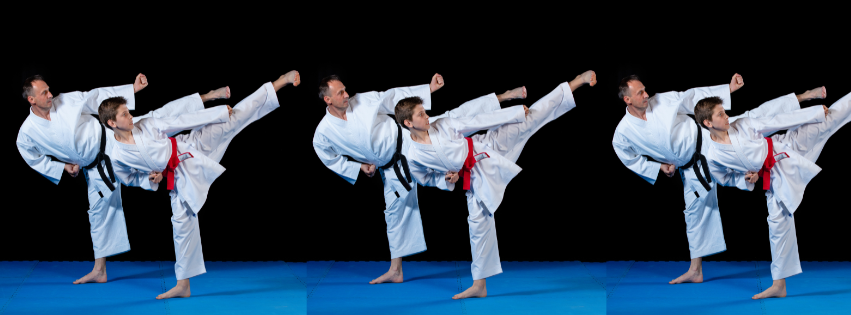
It is true that there is no first strike in Karate. Karate students are taught this from the beginning. The first move of all our Kata is a block, a defense against an attack. Karate is not about kicking and punching it is about becoming who you are and feeling confident enough to say NO! Children do not have to tolerate being hit or abused by anyone not even another child. The few examples giving above are stories we hear again and again in the dojo.
When asked about what action was taken at school all too often a parent will roll their eyes, shrug their shoulders in repeated disbelief and reply ‘nothing’.
You have seen the ads; karate builds confidence, self-respect, self-esteem, self-reliance and self-awareness. There are a lot of ‘self’ in there because of the individual nature of karate training, each student develops at their own pace.
So they come to us, either through a referral, or parents desperately winging it looking for a solution happen to stumble across our dojo. Sensei Don our principal instructor lets his students breathe, to be who they are and to stand up and be counted. No one is left in the background, every single person in that dojo is shown the respect and friendship they deserve. This I believe is the true cure for bullying. When people believe that they are worthwhile, they don’t act like arseholes to get the attention, respect and approval they crave. On the other side students learn that you don’t have to tolerate the above mentioned arseholes who believe they have to push others down in order to elevate themselves.
As well as the above mentioned, Karate builds compassion, resilience, kindness, humbleness, community and spirit. This is the true defense against a bully, against all bullies in our society.



 capabilities and is connected to the internet.
 could be a corner of the family room, your bedroom, carport, garage or in the garden. Do what you can to make the space suitable for your training.

 harmony and into perfection. In the design, the circle of harmony joins the three principles together.
 Learning the form of exercise is one of the most important facets of Karate training, for in this art the body must be made into a veritable weapon. These so-called kata or sets of exercises include all the various kinds of punching, kicking and blocking so that all kinds of imaginary attacks are successfully blocked and followed by effective counterattacks. There are more than 50 sets of such exercises most of which were long ago developed by Karate masters so that the students practice by themselves. Some kata empathize elaborate movement while others specialize in speed.


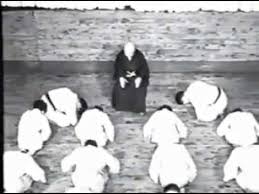
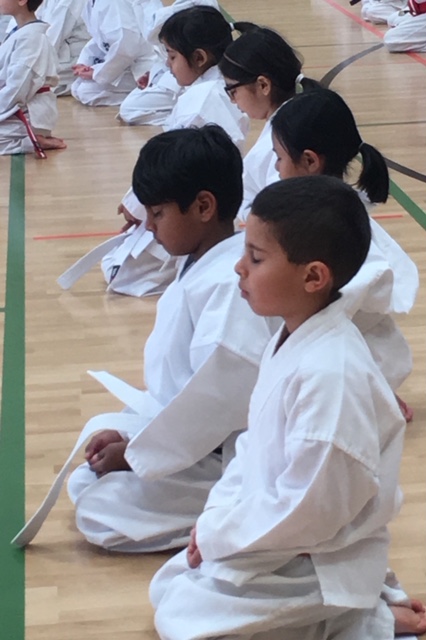 Reishiki comes from two Japanese words, the first is ‘Rei’ which can be interpreted as a bow, courtesy, thanks and appreciation. The second word “Shiki” can be interpreted as a ceremony. The word Reishiki can therefore be interpreted as ceremonial manners or etiquette.
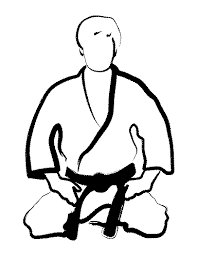 meaning open your eyes or “Mokuso Yame” meaning finish meditation.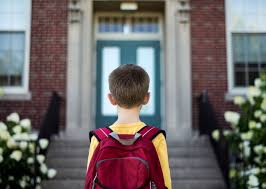




 karateforlife.net
You must be logged in to post a comment.