
In an era where family time often competes with screens and busy schedules, Karate offers families a unique opportunity to train, grow, and bond together. This martial art, with its emphasis on respect, discipline, and continuous improvement, has found a special place in our modern culture, where families increasingly seek meaningful activities they can share.
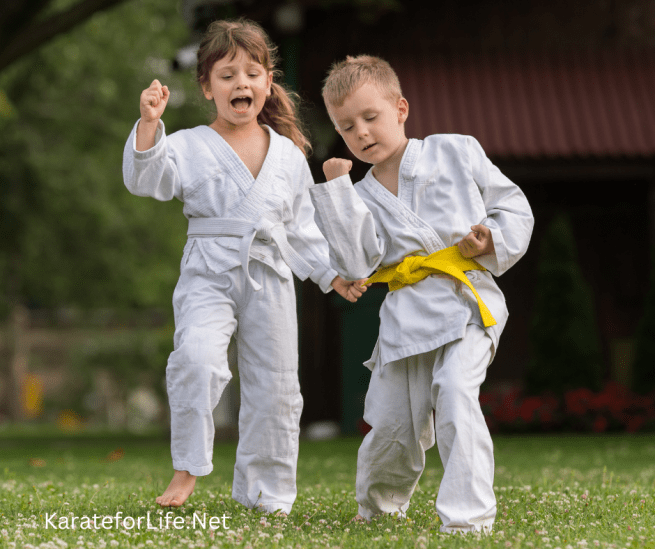
Traditional karate has evolved significantly since its introduction to Australia in the 1960s. What began as primarily individual training has transformed into a family oriented practice, with many dojos now offering specialised family classes. This shift reflects both the changing needs of families and a deeper understanding of karate’s potential to strengthen family bonds.
Traditional karate offers comprehensive physical development for all age groups:
For children (6 -12 years):
- Development of fundamental movement skills
- Improved coordination and balance
- Enhanced flexibility and strength
- Better posture and body awareness
For teenagers:
- Increased strength and endurance
- Enhanced athletic performance
- Improved reflexes and reaction time
- Healthy weight management
For adults:
- Full-body workout
- Increased cardiovascular fitness
- Better joint mobility
- Stress reduction through physical activity
- Mental and Emotional Benefits
Karate’s impact extends far beyond physical fitness:
For children:
- Improved focus and concentration
- Enhanced self-discipline
- Better emotional regulation
- Increased confidence and self-esteem
For teenagers:
- Stress management skills
- Enhanced goal-setting abilities
- Improved mental resilience
- Better self-control and patience
For adults:
- Stress reduction
- Mindfulness development
- Improved mental clarity
- Enhanced work-life balance
Family Benefits
Training together creates unique opportunities for:
- Shared goals and achievements
- Quality time in a structured environment
- Mutual support and encouragement
- Cross generational learning and teaching
The Thompsons exemplify the multi-generational impact of family karate. When seven-year-old Sarah showed interest in martial arts, her parents, Mark and Lisa, joined her instead of just watching from the sidelines. Within six months, Sarah’s grandmother, Janet, aged 65, also joined after seeing the positive changes in her family members.
“Initially, I was just there to support Sarah,” says Mark. “But watching her train sparked something in me. Now, three years later, we’re all preparing for our next belts together. It’s become our family’s shared passion.”
The Thompsons train twice a week at their local dojo, with additional practice sessions at home. They’ve noticed improvements in their communication, mutual respect, and overall family dynamics. Sarah’s school teachers have commented on her improved focus and confidence, while Janet reports better mobility and energy levels.
Managing Family Karate Training
1. Schedule Management:
- Choose a dojo with flexible class times
- Plan training sessions around school and work commitments
- Consider weekend family classes for easier scheduling
- Create a shared calendar for training days
2. Financial Planning:
- Look for family membership discounts
- Budget for equipment and grading fees
- Consider multi-class packages
- Plan for tournament and special event costs
3. Equipment Organisation:
- Designate a specific area for karate gear
- Create individual gear bags for each family member
- Maintain a checklist for necessary equipment
- Establish a routine for washing and maintaining gi (uniforms)
Overcoming Common Challenges
1. Different Skill Levels:
- Embrace individual progress rates
- Focus on personal improvement rather than comparison
- Celebrate individual achievements
- Use varied skill levels as teaching opportunities
2. Time Management:
- Coordinate carpooling with other karate families
- Combine training with other family commitments
- Use travel time for family bonding
- Plan meals around training schedule
3. Maintaining Motivation:
- Set family and individual goals
- Create a reward system for achievements
- Document progress through photos and videos
- Participate in community events and tournaments
Choosing the Right Dojo for Your Family
1. Teaching Philosophy:
- Look for dojos that emphasise traditional values
- Ensure the teaching style suits all family members
- Check the instructor’s experience with family training
- Observe multiple classes before committing
2. Facility Requirements:
- Convenient location
- Clean and safe training environment
- Adequate changing facilities
- Family friendly atmosphere
3. Class Structure:
- Age appropriate instruction
- Clear progression system
- Family class options
- Flexible scheduling
Getting Started
1. Initial Research:
- Research local dojos
- Read reviews and testimonials
- Check accreditation and affiliations
- Contact current members if possible
2. Trial Period:
- Take advantage of trial classes
- Observe different class times
- Meet the instructors
- Assess family comfort level
3. Equipment and Preparation:
- Purchase appropriate gi (uniforms)
- Invest in necessary safety equipment
- Create a training schedule
- Set initial family goals
Building Sustainable Practice
1. Create a Support System:
- Connect with other karate families
- Join dojo social events
- Participate in community activities
- Share experiences with extended family
2. Maintain Balance:
- Set realistic training goals
- Allow for flexibility in schedule
- Respect individual preferences
- Celebrate small victories
3. Progress Tracking:
- Keep a family training journal
- Document belt progressions
- Record tournament participation
- Share achievements on social media
Integrating Karate Values at Home
1. Physical Practice:
- Designate a home training area
- Practice basic movements together
- Incorporate karate exercises into daily routine
- Create family training challenges
2. Mental Application:
- Use karate principles in problem solving
- Apply dojo etiquette at home
- Practice mindfulness techniques
- Discuss karate philosophy during family time
Karate offers families a unique opportunity to grow together while maintaining individual development paths. The success stories of families like the Thompsons demonstrate that with proper planning and commitment, karate can become a transformative family activity.
The key to success lies in finding the right balance between commitment and flexibility, choosing an appropriate dojo, and maintaining open communication within the family. As more families discover the benefits of training together, traditional karate continues to develop as a powerful tool for family bonding and personal development.
Every family’s journey is unique, and the path to success may look different for each one. The most important aspect is the shared experience, and the memories created along the way. Whether your goal is physical fitness, mental development, or family bonding, traditional karate provides a comprehensive framework for achieving these objectives together.
As you embark on your family’s karate journey, remember that the benefits extend far beyond the dojo walls. The principles and values learned through traditional karate training can strengthen family bonds, improve communication, and create lasting positive changes in all aspects of life.
For families considering this path, the growing community of karate practitioners offers support, guidance, and inspiration. The journey may begin with a single step into the dojo, but it can lead to a lifetime of shared growth, achievement, and family unity.
 karateforlife.net