“Everything you’ve ever wanted is on the other side of fear.”
George Addair
We’ve all been there. Standing at the edge of something new, heart racing, palms sweaty, thinking of a dozen reasons why “now isn’t the right time.” Whether it’s joining a karate class, learning a new skill, or making a life change, that feeling of fear can stop us dead in our tracks.
FEAR: False Events Acting Real
Let’s break down what’s really happening when fear stops us from trying something new like karate. FEAR is our mind’s way of protecting us from perceived threats. But here’s the thing: most of what we fear never actually happens.
When it comes to starting karate as an adult, these false events might look like:
- I’ll look silly in front of everyone.
- I’m too old/unfit/inflexible to start.
- Everyone else will be better than me
- I won’t be able to keep up.
- What if I get hurt?
Sound familiar? Let’s get real about these fears and why they’re mostly just stories, we tell ourselves.
“Do one thing every day that scares you.”
Eleanor Roosevelt
As adults, we’ve got a lot more going on in our heads than kids do. We’ve developed this thing called ‘anticipatory anxiety’. Basically, we’re experts at imagining everything that could go wrong. Kids will often just rock up and give things a go. They fall, they get up, they laugh, they learn.
But somewhere along the way, we adults developed this need to be perfect from the get-go. News flash: that’s not how learning works. Never has been, never will be.
Common Fears About Starting Karate (And Why They’re Rubbish)
I’m Too Old/Unfit
Reality check: Many people start karate in their 40s, 50s, and even 60s. Your body is capable of amazing things when you give it time to adapt. Every single person in that dojo started as a beginner, and every single person had to work on their fitness and flexibility.
I’ll Look Silly
Here’s the truth: everyone looks uncoordinated at first. But here’s what happens in most dojos people are too focused on their own training to judge yours. Plus, the karate community is generally one of the most supportive you’ll find. They’ve all been where you are.
I Won’t Be Able to Keep Up
Good news: karate training is adaptable. A good instructor will modify techniques and training intensity to match your current ability level. You’re not expected to keep up with the black belts on day one (or ever, really everyone trains at their own pace).
What If I Get Hurt?
Traditional karate training prioritises safety and control. You’ll learn gradually, starting with basic movements and proper form. Most injuries in martial arts happen when people try to do too much too soon, which a good instructor won’t let you do.
Our brains are wired to protect us from danger, which was great when we were dodging sabre toothed tigers. Not so helpful when we’re trying to learn a new skill. This protection mechanism triggers our fight-or-flight response, making us:
- Overthink situations
- Create worst case scenarios
- Look for reasons to avoid perceived risks
- Stick to our comfort zones
But here’s the good bit: we can rewire these responses.
Overcome Your Fears – Start with Research
- Read about the dojo and their teaching philosophy
- Check out beginner testimonials
- Watch some classes (most dojos welcome this)
- Chat with current students
Take Baby Steps
- Visit the dojo just to watch
- Bring a friend for moral support
- Start with a trial class
- Set small, achievable goals
Reframe Your Thinking – Instead of:
- I’m too old → I have life experience to bring to my training.
- I’ll look silly → I’m brave enough to try something new.
- I might fail → I’m giving myself a chance to succeed.
The 5 4 3 2 1 Method – When Fear Creeps in:
- Notice five things you can see
- Four things you can touch
- Three things you can hear
- Two things you can smell
- One thing you can taste
Then take action before your brain can talk you out of it.
“I put off starting for two years because I thought I was too unfit. Now I wish I’d started sooner. The hardest part was walking through the door that first time.”
The Hidden Benefits of Facing Your Fears
Starting karate as an adult isn’t just about learning self-defence or getting fit. It’s about:
- Proving to yourself that you can do hard things
- Building resilience that carries over into other areas of life
- Developing a growth mindset
- Finding a supportive community
- Setting an example for your kids or others in your life
“I was worried about looking uncoordinated. Turns out everyone was so focused on their own training, they didn’t even notice me stumbling around. Three months in, and I’m helping newer students feel welcome.”
Making the Leap: Your Action Plan
1. Acknowledge your fears they’re normal
2. Do your homework knowledge reduces anxiety
3. Start small you don’t have to commit to forever
4. Find your why focus on what you’ll gain
5. Take action set a date for your first visit
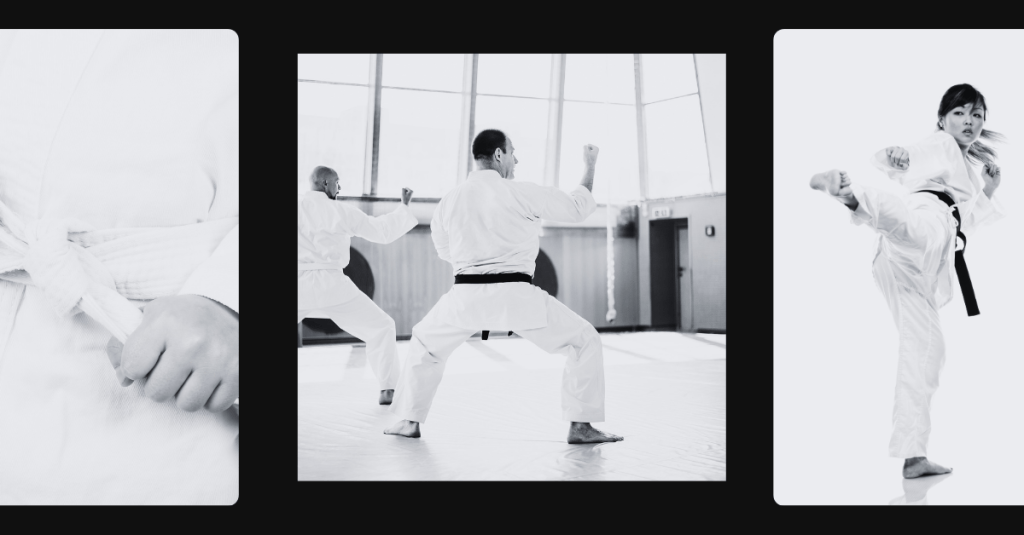
At Karate for Life, we get it. We’ve been where you are. Every black belt in our dojo started as a nervous white belt. We’ve created a welcoming environment where everyone can learn at their own pace, make mistakes, and grow together.
Your Turn to Act
Remember: courage isn’t the absence of fear it’s acting despite it. Every person who’s ever achieved anything worthwhile started as a beginner, felt uncertain, and did it anyway.
“The cave you fear to enter holds the treasure you seek.”
Joseph Campbell
Your future self will thank you for being brave today. The hardest part isn’t the training it’s making the decision to start. Once you’re through the door, you’ve already conquered your biggest obstacle.
Ready to take that first step? Drop by our dojo, watch a class, and see for yourself. No pressure, no obligations, just a chance to explore something new.
Because here’s the thing about fear: it’s a lousy fortune teller. The only way to know what you’re truly capable of is to give it a go. What’s the worst that could happen? You might discover you don’t enjoy it (unlikely, but possible). But what’s the best that could happen? You might just discover a whole new version of yourself.
The choice is yours. The door is open. And we’re here to support you every step of the way.
 karateforlife.net